Maya Alvarez
I never painted before joining. The step-by-step method helped me understand color mixing without feeling overwhelmed. My schedule changes weekly, but they always found a spot.
At Canvas Academy, our method combines structured fundamentals with individualized guidance. We offer flexible scheduling options—morning, evening, or weekend sessions—so you can integrate painting into your routine. Every lesson is adapted to your pace, whether you are exploring watercolor, drawing, or oil painting. Our instructors focus on process, technique, and creative exploration, not prescribed outcomes.
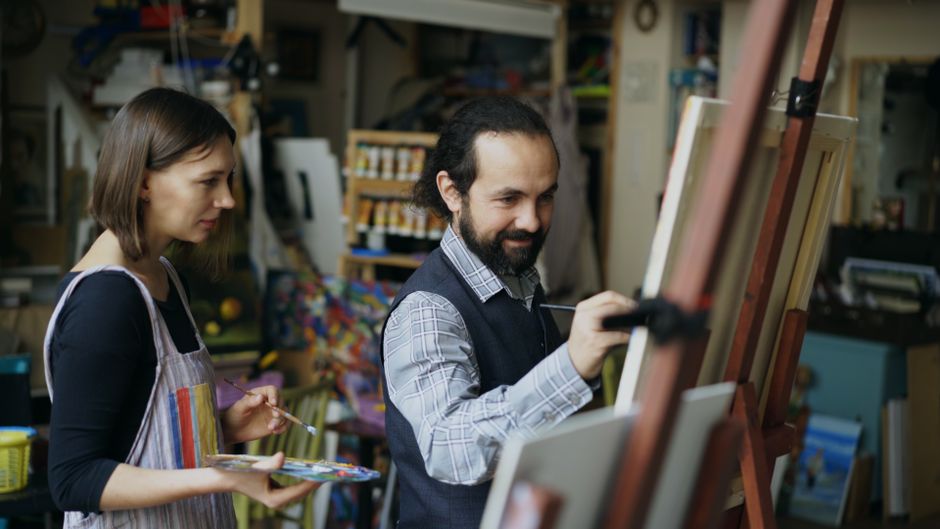
Our teaching methodology is rooted in step-by-step skill building. We begin with core principles of composition, color theory, and tool handling, then guide you through progressive exercises. Each session includes live demonstrations, individual practice time, and constructive feedback. Instructors adjust the curriculum based on your progress—there is no fixed timeline. The structure remains clear and repeatable, but the pace and depth are yours to decide. This framework supports both beginners learning basic shapes and experienced painters refining advanced techniques.
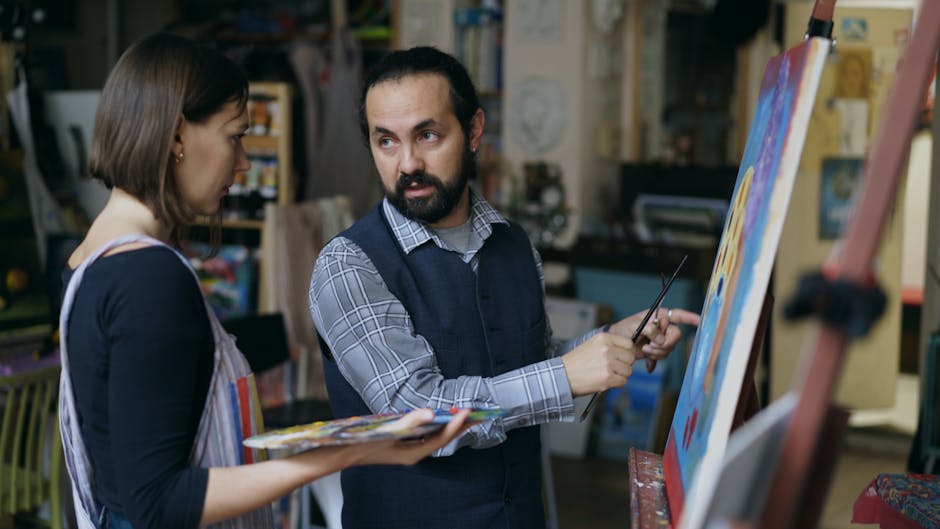
We understand that daily life rarely follows a predictable pattern. Canvas Academy offers multiple weekly time slots, including weekday evenings and Saturday mornings. You can choose a recurring session or move between different class times as your week changes. There are no strict enrollment periods—you may join a group class or arrange one-on-one time. The goal is to make consistent practice possible without adding stress.

Class sizes are intentionally kept small—usually no more than eight students per instructor. This allows us to tailor explanations, exercises, and feedback to each person’s current understanding. Whether you prefer detailed verbal guidance, visual examples, or hands-on correction, we adapt our communication style accordingly. The same instructor often works with you over multiple sessions, building a clear picture of your strengths and areas you wish to develop. Personalization is not a slogan here; it is built into our daily studio practice.
Each class begins with a short group discussion on technique or art history context. Then students work on their own projects while the instructor moves around the room offering individual tips. The last fifteen minutes are reserved for informal sharing and questions. This rhythm gives you both focused practice and the chance to learn from others’ approaches. Materials are provided, so you only need to arrive ready to explore.
I never painted before joining. The step-by-step method helped me understand color mixing without feeling overwhelmed. My schedule changes weekly, but they always found a spot.
The individual feedback is what keeps me coming back. Instructors notice small improvements and suggest adjustments that actually make sense for my style.
I appreciate that there is no pressure to finish a painting in a set time. The flexible schedule means I can take breaks when work gets busy and then resume.
We believe learning to paint is a layered process that benefits from repetition, variation, and patient observation. Our curriculum is not organized around fixed deadlines or competition; instead it follows a spiral model—revisiting fundamental ideas with increasing complexity. Instructors act as facilitators, helping you notice patterns in your own work and decide where to focus next. This structure supports sustained engagement rather than short‑term results. External factors like prior experience, frequency of practice, and personal goals all influence your journey, and our role is to provide clear tools and consistent support along the way.