We believe that every person—whether a complete beginner or an experienced painter—deserves a clear, supportive path into the world of visual arts. Canvas Academy was built on the principle that systematic instruction, combined with genuine encouragement, can transform how people relate to their own creativity. This is not about talent or quick results; it is about providing a structured framework where understanding grows step by step. Our courses are designed to remove barriers, foster curiosity, and respect each student’s individual journey.

Systematic painting education means more than just following a syllabus—it is a deliberate effort to build knowledge layer by layer. At Canvas Academy, every course is constructed around a clear sequence of concepts, from basic color theory and composition to advanced techniques in watercolor, drawing, and oil painting. This structure ensures that students are never overwhelmed with information, and that each new skill connects logically to what came before. Our instructors are trained to present material in an accessible, jargon-free manner, using examples that relate to everyday observation. The goal is to make the learning process transparent, so that students can see exactly where they are and what they will explore next. By focusing on method and context, we cultivate an environment where mistakes become part of the learning dialogue, not failures to avoid. This framework empowers learners to progress at their own pace while feeling supported by a clear roadmap.
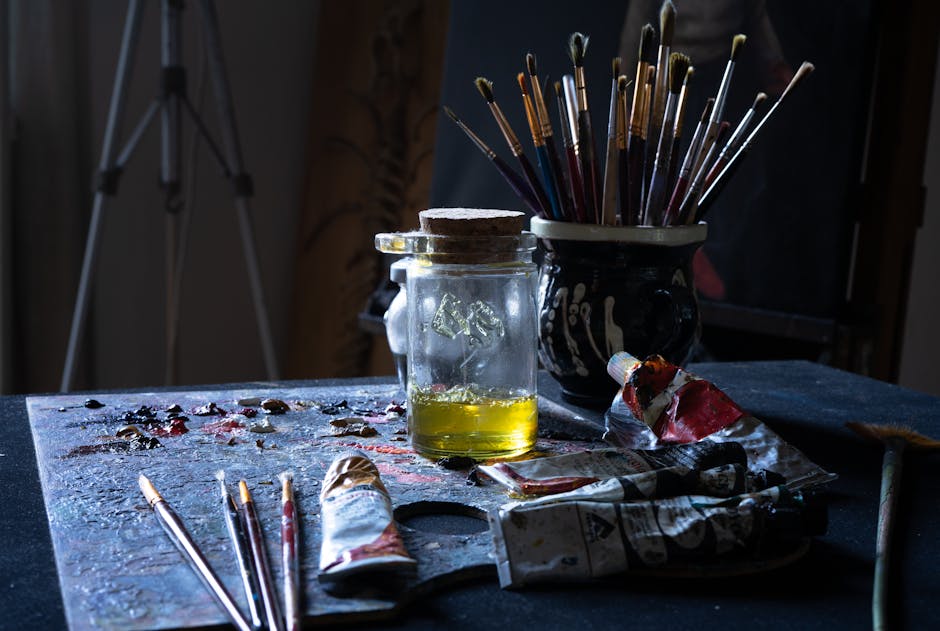
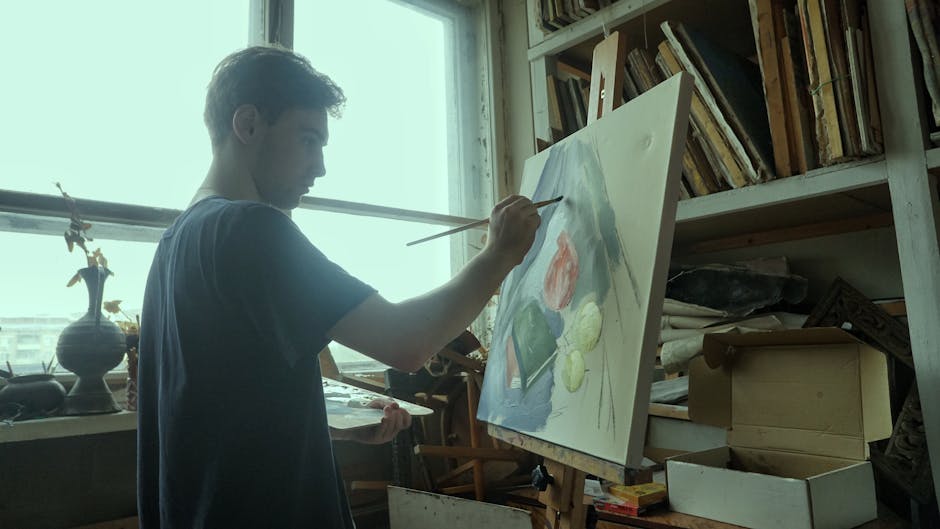
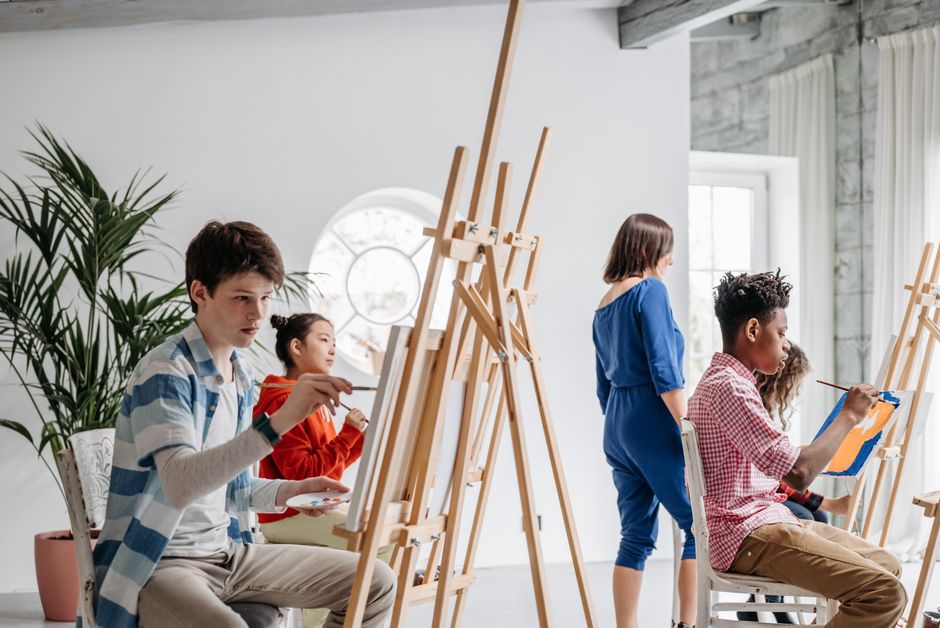
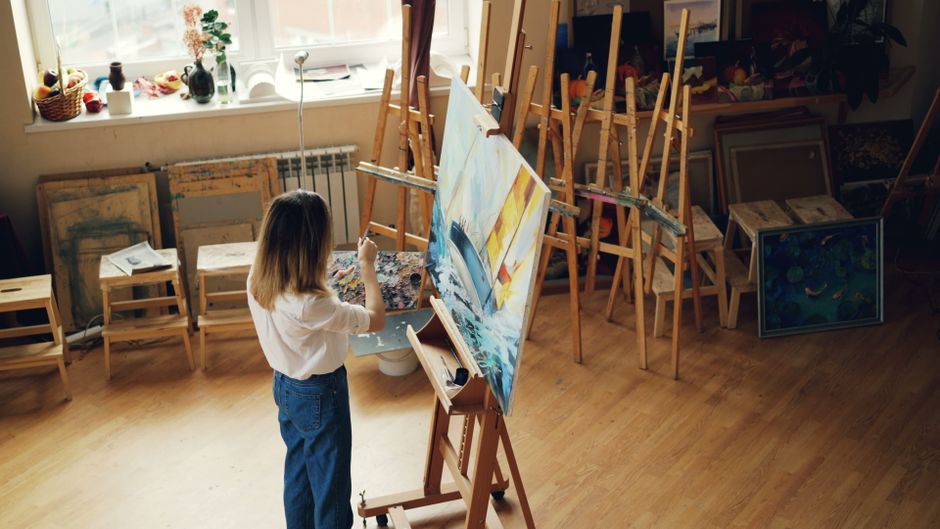
These images capture the quiet focus and collaborative spirit that define our classrooms. From close-up studies of brushwork to group discussions about light and shadow, each photograph reflects our commitment to a nurturing, systematic approach to painting education.
Canvas Academy’s commitment rests on a simple belief: that artistic growth is not reserved for a select few, but can be cultivated through consistent, well-structured practice. Our teaching philosophy centers on three pillars: accessibility, inspiration, and methodology. Accessibility means removing financial, geographic, and psychological barriers—offering flexible scheduling, affordable materials, and a welcoming atmosphere for all. Inspiration is the fuel that keeps students engaged; we foster it by connecting each lesson to real-world art, encouraging personal expression within the framework, and celebrating incremental progress. Methodology provides the backbone: every exercise and critique is designed to build skills logically, without rushing or skipping foundational steps. This combination ensures that students leave not only with technical abilities but also with a deeper appreciation for the process of painting itself.
Because systematic education does not mean rigid uniformity. At Canvas Academy, we adapt the framework to respect different learning styles, paces, and goals. Beginners receive extra guidance on foundational concepts, while advanced students can dive into specialized modules that challenge their existing knowledge. Our instructors serve as facilitators, offering clear explanations and constructive feedback that help students discover their own solutions. This approach creates a balanced atmosphere where discipline and creativity coexist—where a structured curriculum meets the freedom to explore.
Accessibility extends beyond the classroom. Canvas Academy actively works to make systematic painting education available to people from diverse backgrounds, including those who may have felt excluded from traditional art schools. We offer sliding-scale tuition, online course options, and a library of reference materials that students can revisit anytime. Our community events—such as open studio hours and group critiques—are designed to be low-pressure and supportive, emphasizing shared learning over competition. By removing barriers related to cost, location, and prior experience, we create an environment where the only requirement is a genuine interest in painting. This inclusive approach ensures that our commitment is not just a promise, but a daily practice that shapes how we teach and interact.